

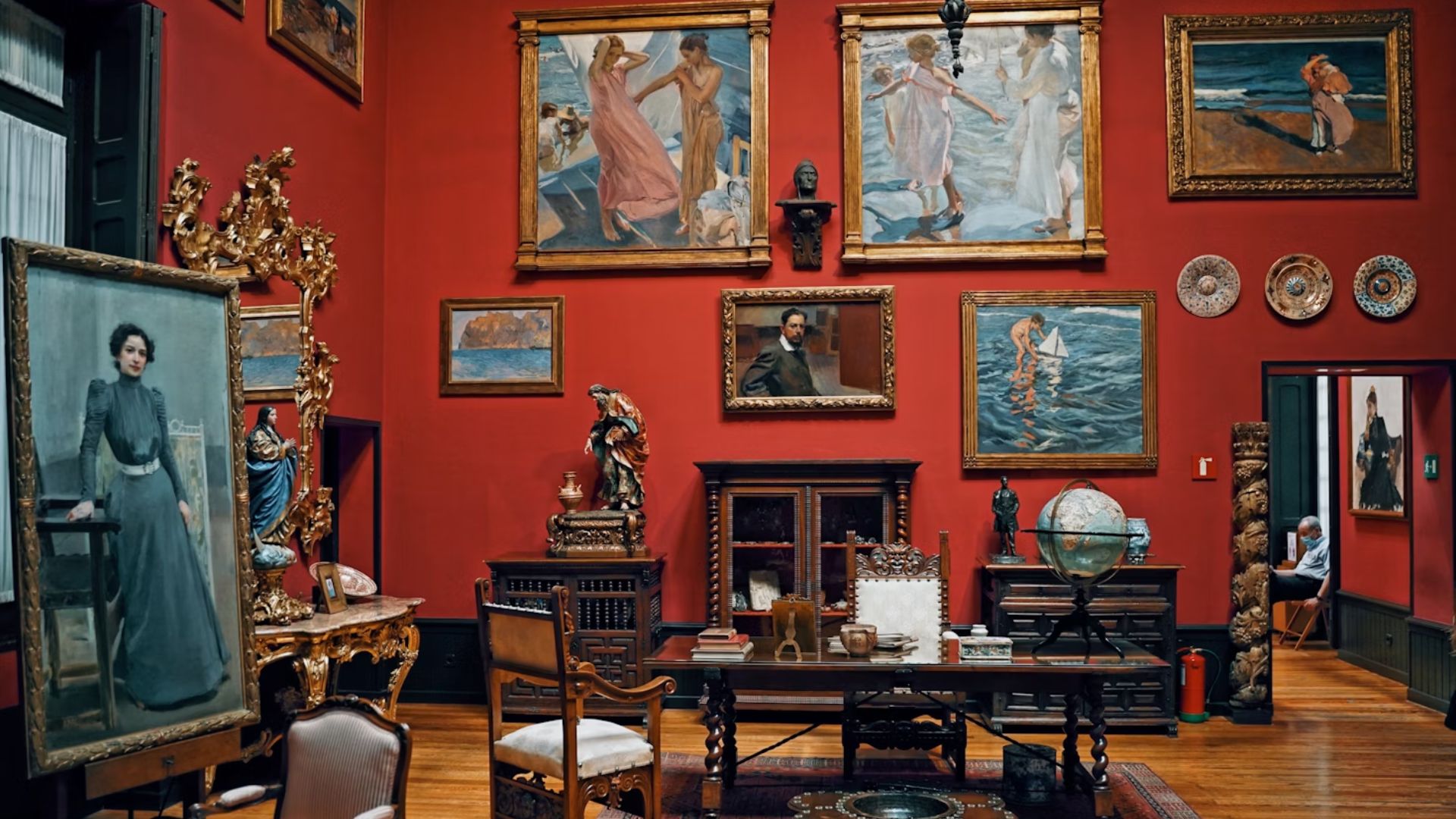
Among the world’s ultra-wealthy, real estate is an extension of personal identity, cultural capital, and architectural expression. As highlighted by Inspirata Group, these estates are curated with the precision of museums, shaped by owners, architects, and designers. Every detail carries intention, often merging innovation with heritage. Whether it’s a coastal retreat sculpted into a cliffside or a penthouse structured around a single work of art, these properties transcend typical definitions of luxury.
Viewing Property as a Collectible
Among the ultra-wealthy, real estate is often viewed less as a transaction and more as a form of collecting. Properties are selected for their rarity, historical relevance, and architectural merit, placing them in the same category as fine art or antiques. This mindset shifts the focus from square footage or resale value to curation and long-term cultural significance.
Some estates are chosen because they carry a distinct provenance—perhaps designed by a well-known architect or located in a historically rich area. These elements contribute to a narrative that extends beyond ownership, turning the property into a legacy piece intended to outlast trends and even generations.
Architectural Vision and Identity
Billionaire estates often start with a vision, brought to life by architects whose work is as collectible as the homes themselves. These properties are not just built—they are authored, with every detail reflecting the owner’s tastes, values, and aesthetic philosophy.
In Malibu, a coastal estate might feature clean lines and expansive glass walls that dissolve the barrier between indoors and nature, echoing the owner’s affinity for modernism and environmental harmony. In contrast, a Parisian hôtel particulier may draw on centuries-old craftsmanship, chosen to reflect a reverence for history and timeless elegance.
Such homes are rarely conceived from templates. Instead, they emerge from a collaborative process where personal narrative and architectural expression become inseparable, making the structure itself a kind of autobiography in stone, steel, and space.
Interior Design and Art Integration
The interiors of these estates are meticulously curated to serve as living galleries. Walls are often scaled and lit to house museum-quality works, while furnishings are selected as much for their sculptural value as their utility.
In many cases, designers work hand-in-hand with art consultants to ensure cohesion between the collection and the architecture. A minimalist villa in the Swiss Alps might feature a rotating display of contemporary installations, while a Manhattan penthouse could be built around a single, monumental Rothko, dictating the palette and tone of the entire space. Even the spatial planning is often dictated by the needs of the collection, creating a seamless integration.
Landscape, Setting, and Context
The land beneath a billionaire’s estate is never incidental—it’s foundational to the experience of the home. Every vista, garden, and pathway is considered with the same care as the structures themselves. In some cases, entire parcels are reshaped to frame mountain views, preserve centuries-old trees, or echo the natural rhythm of the surrounding terrain.
In Napa Valley, an estate might be sculpted into the vineyard-covered hills to blur the line between architecture and agriculture, while in Kyoto, a residence may be nestled among moss gardens and stone lanterns to honor local aesthetics and spiritual traditions.
Privacy, Innovation, and Usability
In the world of high-end real estate, discretion is paramount. Architects and engineers are tasked with creating sanctuaries that offer total seclusion without sacrificing beauty or openness. This often involves advanced security systems, underground parking, and concealed service quarters, all integrated invisibly into the design.
Technology plays a silent but transformative role. Climate systems that respond to art preservation needs, biometric access, and voice-controlled environments are standard features. Still, these innovations are rarely flaunted—they’re embedded with subtlety, allowing the overall design language to remain uninterrupted.
Value and Legacy
What sets these estates apart isn’t just their craftsmanship but the stories they tell and the legacy they represent. A residence designed by Tadao Ando or Zaha Hadid becomes more than a place to live—it becomes a cultural artifact.
Off-market transactions and private listings are part of the mystique. These properties rarely see public listings; their exclusivity alone becomes a form of currency. Ownership becomes less about utility and more about belonging to a lineage of taste, vision, and influence.